


After a haircut,
you might catch yourself thinking,
“Does my hair feel a little thicker?”
At the same time, another thought often follows:
“My hair feels thinner overall lately…
Could cutting it more often actually help with hair loss?”
When changes in hair thickness start to stand out,
it’s natural to begin wondering
👉 whether hair thinning and hair loss might be connected.
Q1. Does cutting your hair more often actually make it thicker?
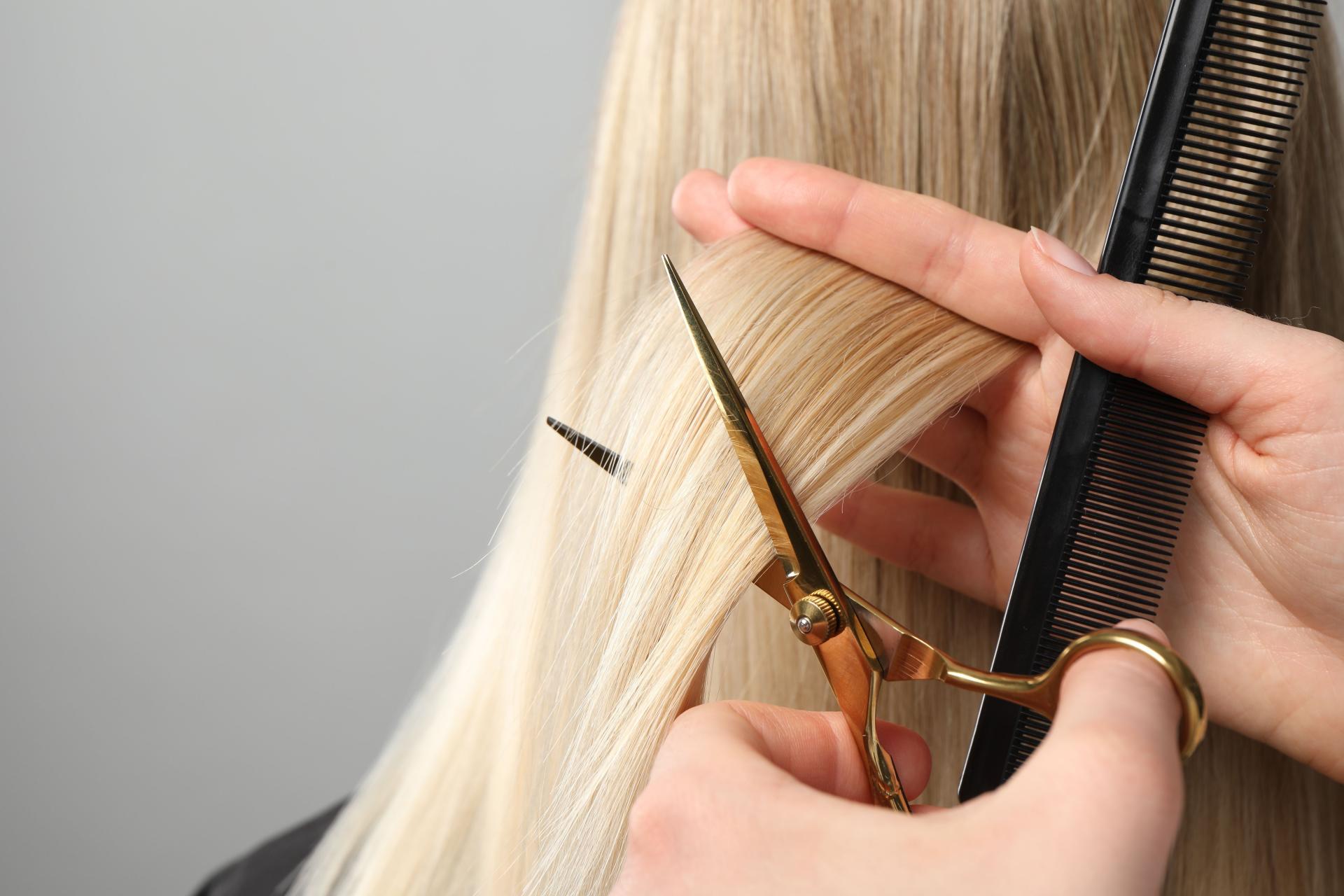
The short answer is no.
Cutting your hair does not change the actual thickness of each strand.
Hair thickness is determined by
the size of the hair follicle and the condition of the hair root beneath the scalp.
In other words:
👉 A haircut only trims the length of hair that has already grown,
👉 it does not directly increase the thickness of hair that is thinning due to hair loss.
Q2. Then why does hair feel thicker after a haircut?
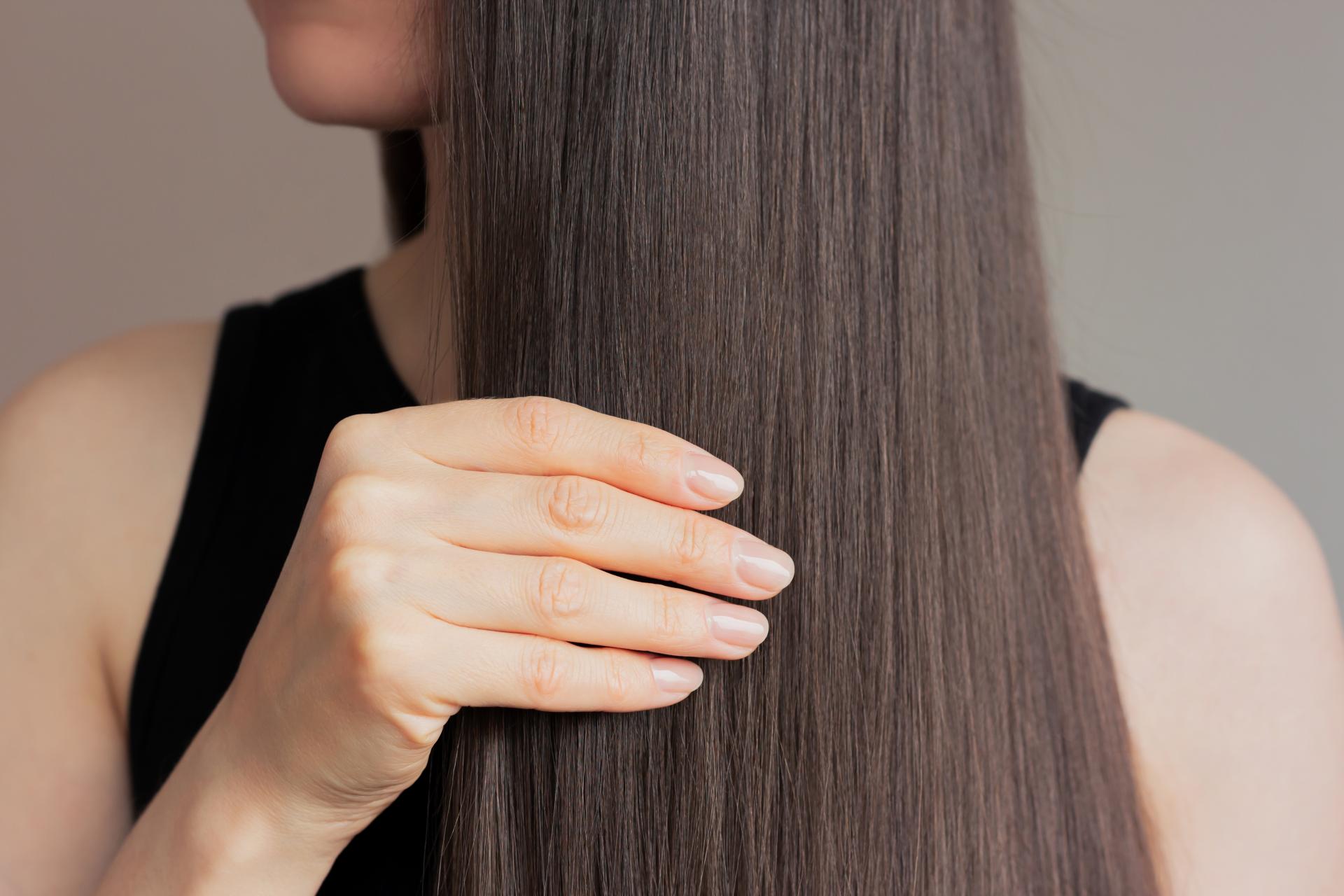
This is a very common illusion—and it’s often linked to early hair thinning.
After a haircut:
1️⃣ Damaged, thinned-out ends are removed
2️⃣ The cut edge appears visually thicker
3️⃣ Shorter hair tends to look fuller and stronger overall
Especially during early stages of hair loss,
when strands gradually become finer,
👉 the difference after a haircut can feel more noticeable.
However, this doesn’t mean the hair has truly thickened—
it’s simply that weakened sections have been trimmed away,
creating a healthier-looking appearance.
Q3. Can cutting your hair more often slow down hair loss?
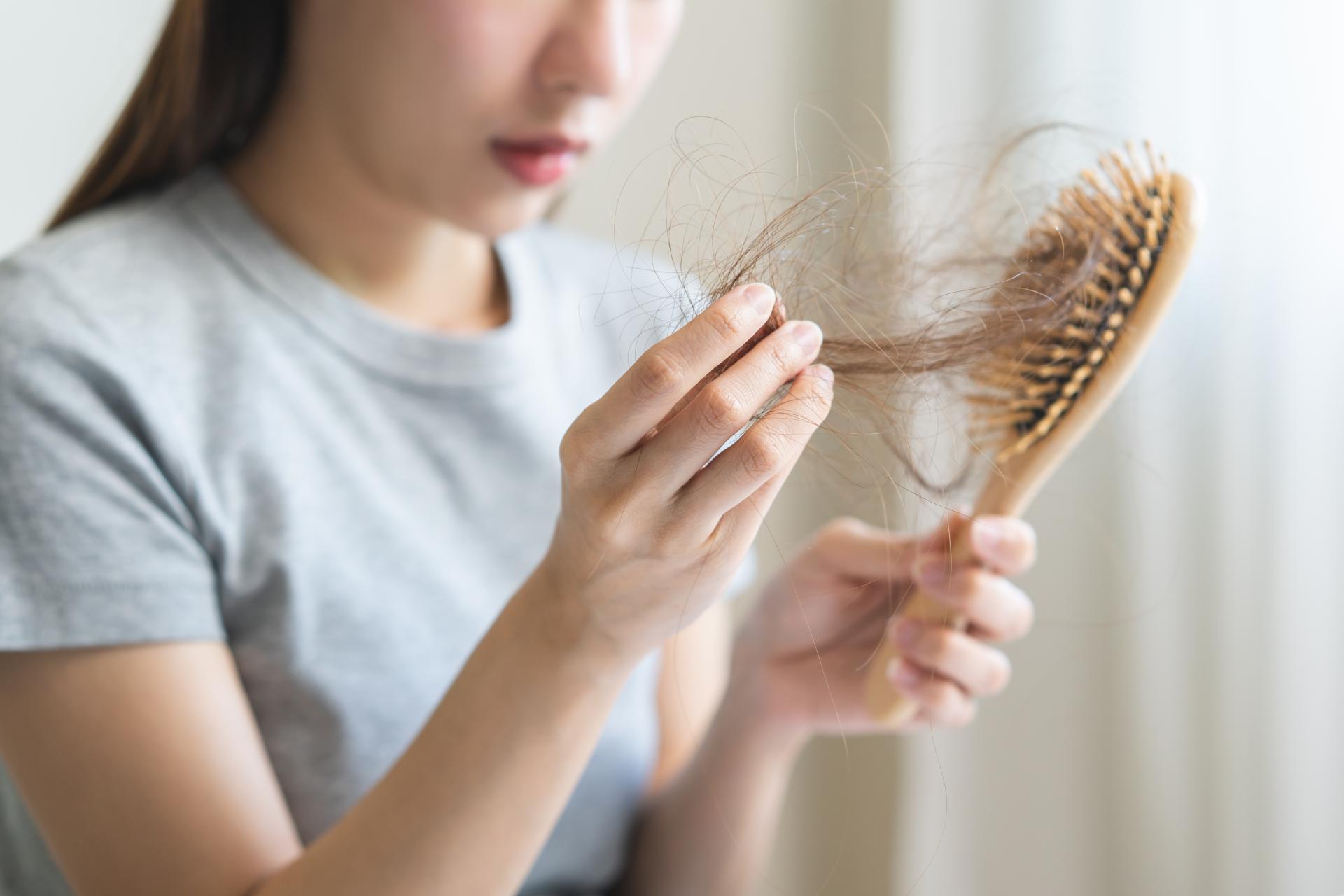
This is a very common question, but
👉 haircuts do not stop or slow the progression of hair loss.
Hair loss is a gradual process where:
-
Hair roots weaken over time
-
Newly growing hair becomes finer
-
Overall hair density slowly decreases
That’s why the frequency of haircuts matters far less than
👉 the condition of the scalp and hair roots themselves.
That said, regular trimming can help by:
-
Preventing hair from looking thinner due to breakage
-
Reducing tangling that leads to snapping and damage
So while it doesn’t treat hair loss,
it can support a cleaner, more balanced appearance.
Q4. Is thinning hair a sign of early hair loss?
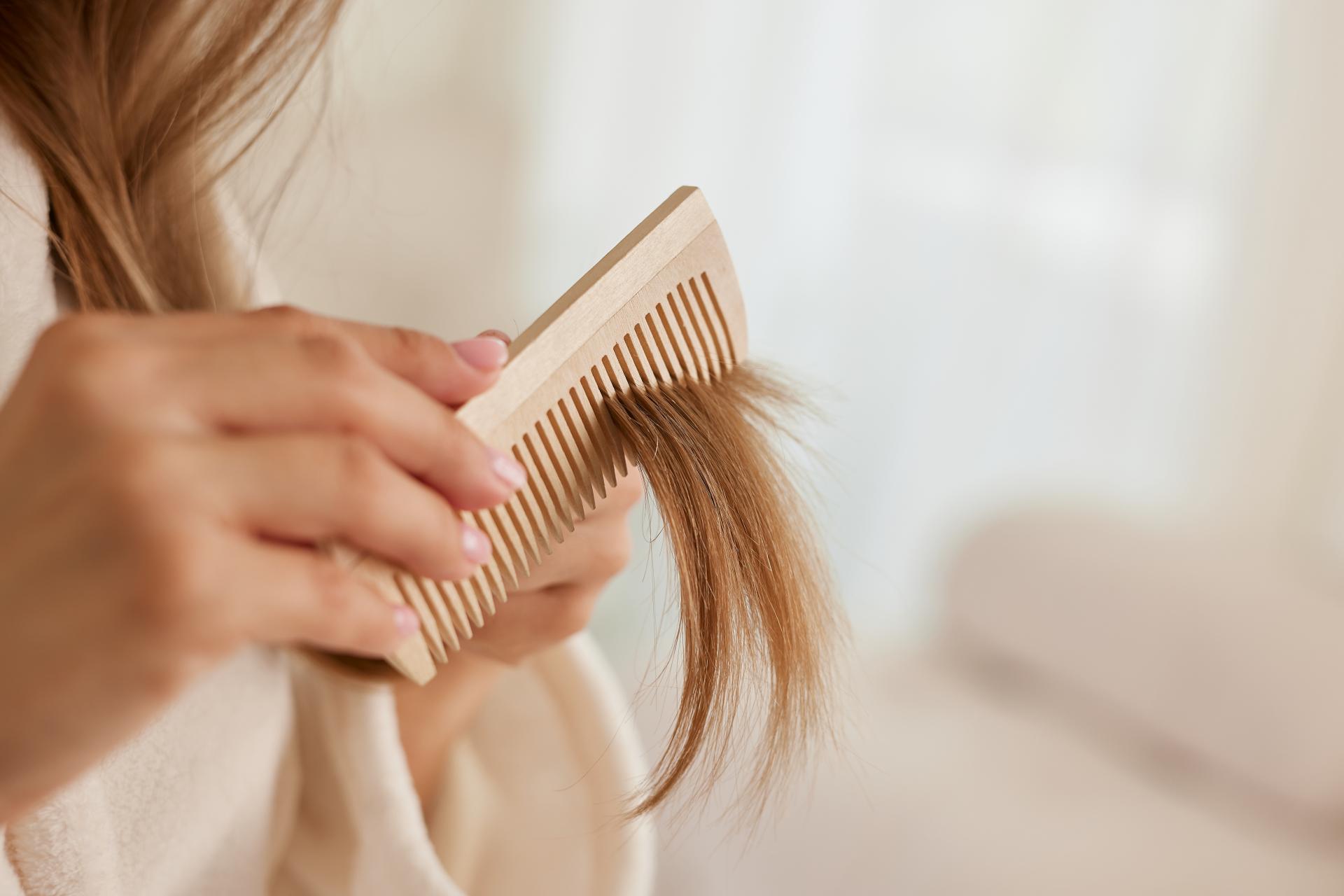
Yes—it can be.
In many cases, early hair loss doesn’t start with excessive shedding.
Instead, it shows up as:
-
Individual strands becoming finer
-
Hair losing volume more easily
-
Reduced density around the crown or part line
So if you find yourself wondering,
“Would cutting it help my hair feel thicker?”
👉 you may already be noticing early signs of hair thinning related to hair loss.
Q5. How should haircuts be used when hair loss is a concern?
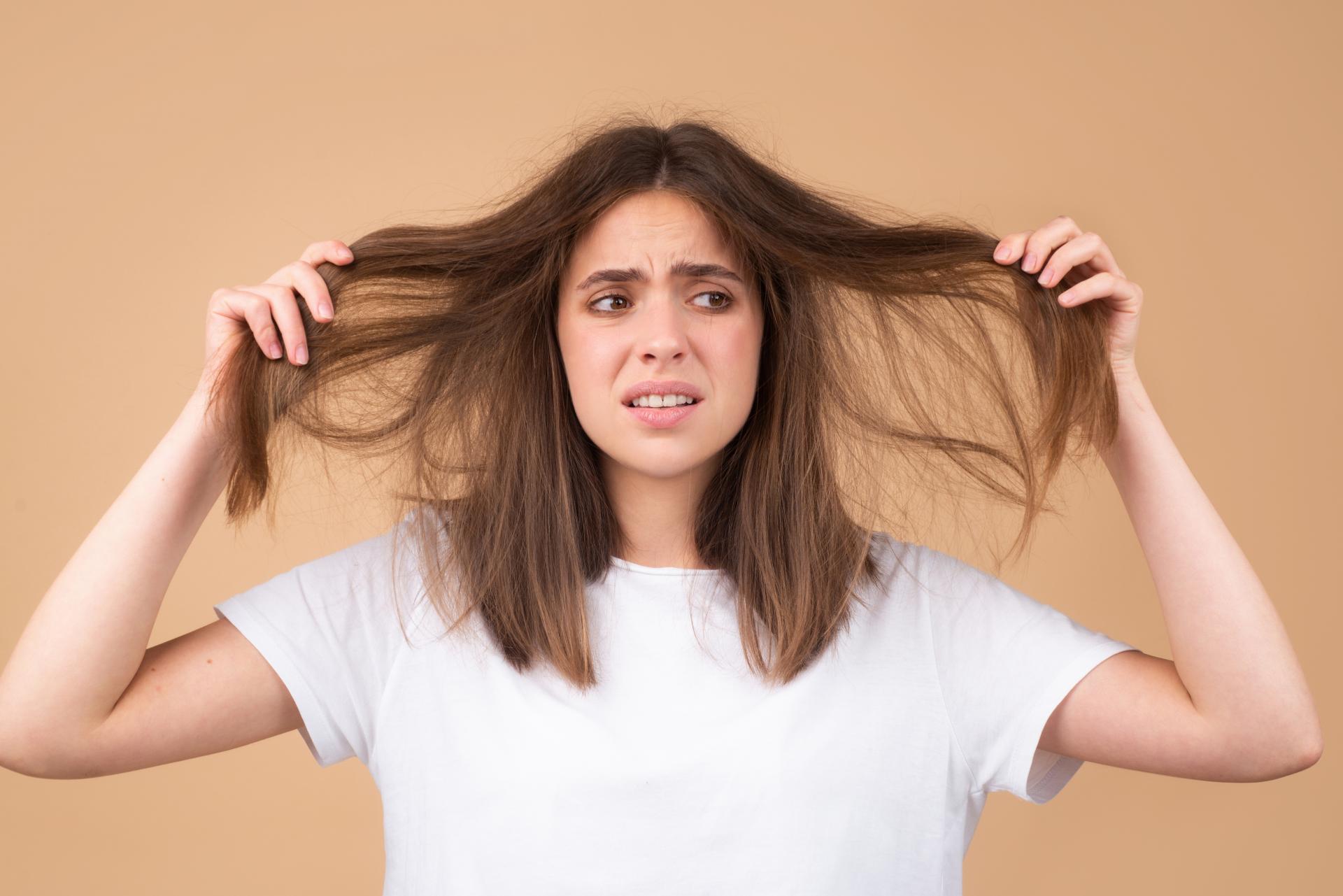
A haircut is not a treatment for hair loss—
it’s a way to maintain the appearance of thinning hair.
A balanced approach includes:
1️⃣ Avoiding extremely short cuts done too frequently
2️⃣ Trimming before split ends and damage become severe
3️⃣ Maintaining length that supports natural-looking volume
👉 The goal isn’t to “make hair thicker,”
but to help it look less fine and more balanced overall.
✨ Where hair thinning and hair loss care truly begin — Morethan8 ✨

Changes in hair thickness don’t start at the ends.
They begin
👉 at the scalp and hair roots.
Morethan8’s scalp & volume care line is designed to help
fine, thinning hair maintain a fuller, healthier appearance by focusing on:
-
Gentle cleansing that reduces scalp stress
-
Volume that doesn’t collapse easily at the roots
-
Lightweight routines that don’t weigh hair down
👉 If haircuts no longer give you the results they used to,
it may be time to look beyond trimming and reassess your daily scalp care routine.
👉 Explore the Morethan8 Thickening Collection and support your scalp, naturally.
FAQ
Q1. Does cutting your hair frequently prevent hair loss?
No. Hair loss prevention depends more on scalp and follicle care than haircut frequency.
Q2. Is it better to keep hair short during early hair loss?
Shorter styles may look fuller, but the right length depends on individual scalp and hair conditions.
Q3. If my hair feels thinner, what should I check first?
Before changing your haircut routine,
it’s best to assess scalp condition and volume retention.
With Morethan8 Hair Loss Tonic,
you can support both scalp balance and natural-looking volume
as part of your daily routine.

